
Outdoor Space That Stays Comfortable Year-Round
Screen Rooms in Essex for extending deck and patio use without insect intrusion or direct weather exposure
Chesapeake Hardscapes and Exteriors installs screen rooms in Essex that transition decks and patios into fully functional outdoor living areas protected from mosquitoes, flies, and summer sun. You gain space that feels open to air circulation but stays free from the constant interruptions that typically cut outdoor meals and gatherings short. A properly framed screen room attaches to existing structures or integrates with new hardscape installations, creating a controlled environment that still offers the visual connection to your yard.
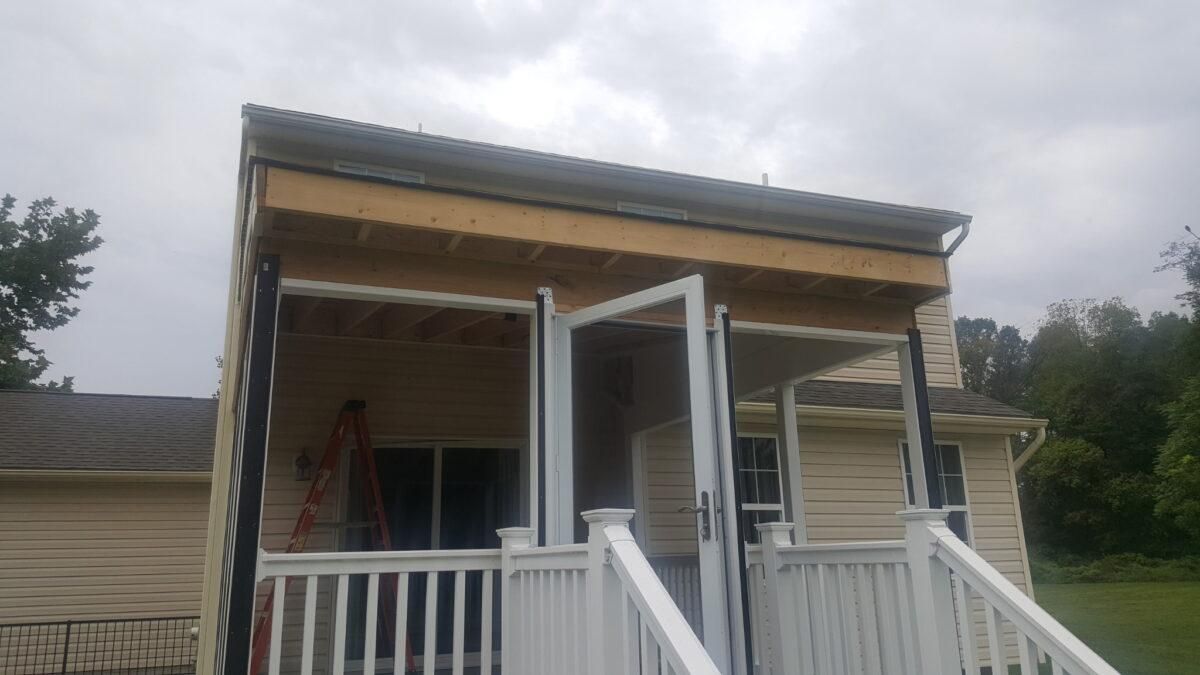
Screen rooms work by framing perimeter walls with structural posts and beams that support tensioned screening panels, creating an enclosed volume that blocks insects while allowing airflow. The screening material itself resists tearing and maintains tautness across temperature swings, which matters in Maryland's humid summers and cold-snap transitions. Residential applications typically extend from rear decks or wrap patio corners, while commercial installations often enclose restaurant seating areas or poolside sections where customer comfort directly affects revenue.
Schedule a property evaluation to review how a screen room would attach to your existing deck or patio layout.
What Changes After a Screen Room Is Installed
Once the framing is complete and screening is tensioned into place, your outdoor space operates differently than open-air areas. You no longer interrupt dinner to swat mosquitoes or retreat indoors when afternoon sun becomes too direct. The screening diffuses harsh light while maintaining clear sightlines to landscaping, and rain no longer forces an immediate shutdown of outdoor activities—light precipitation stays outside while you remain dry under the roof structure.
Chesapeake Hardscapes and Exteriors designs screen rooms to complement outdoor kitchens, fire features, and existing seating walls, so the enclosed area becomes a central hub rather than an isolated add-on. You can leave cushions, tableware, and electronics in place without constant retrieval trips indoors, which changes how the space gets used daily rather than reserved for special occasions.
Screen room construction includes proper flashing where the structure meets your home's exterior, which prevents water infiltration at connection points. The framing itself uses pressure-treated lumber or powder-coated aluminum depending on your preferences for maintenance intervals and aesthetic finish. Door placement affects traffic flow from interior rooms and how furniture arranges inside the screened area, so layout decisions happen before material orders.
Questions Homeowners Ask About Screen Rooms
Screen room projects in Essex often raise practical questions about how the structure performs in local conditions and what maintenance the screening requires over time.
What screening material holds up best in Maryland humidity?
Fiberglass screening resists rust and maintains tension through seasonal humidity changes, which prevents sagging that creates gaps insects exploit. Aluminum screening offers higher tear resistance if tree branches or wildlife contact is common in your yard.
How does a screen room attach to an existing deck without causing leaks?
Flashing installs between the ledger board and your home's siding, then caulking seals the top edge. Proper installation directs water over the flashing rather than behind it, which keeps the connection watertight even during wind-driven rain.
Can a screen room enclose an outdoor kitchen?
Yes, screen rooms frequently wrap cooking areas to keep smoke vented while blocking insects from food prep zones. Roof venting or open gable ends prevent heat buildup from grills and burners.
What happens to screen rooms during winter in Essex?
Most homeowners leave screen rooms in place year-round since the structure itself handles snow loads and freezing temperatures. Screening stays intact through winter, though some opt for removable panel systems that swap screens for clear vinyl when cold weather reduces insect activity.
How long does installation take once materials arrive?
Most residential screen rooms complete within one to two weeks depending on size and connection complexity, though commercial projects with multiple enclosures extend that timeline.
Chesapeake Hardscapes and Exteriors works with both new hardscape builds and existing outdoor spaces that need protected enclosure. Contact us at (443) 567-8060 to discuss layout options, material choices, and how a screen room integrates with your current deck or patio configuration.