
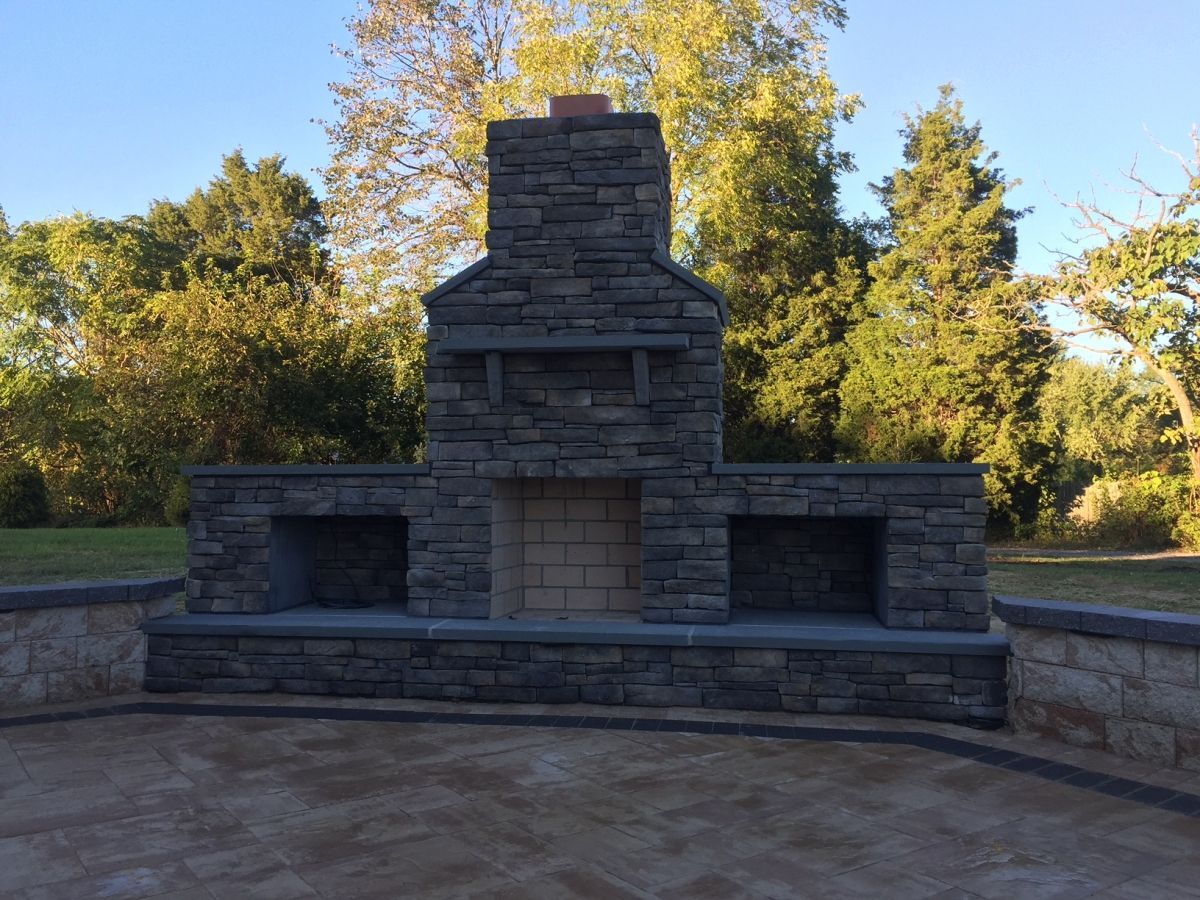
Fire Features That Anchor Outdoor Gathering Spaces
Firepits and Fireplaces in Essex for residential and commercial properties needing year-round focal points and functional warmth
A firepit or outdoor fireplace changes when your patio gets used by extending comfortable gathering time into cooler months and late evenings. Chesapeake Hardscapes and Exteriors installs fire features in Essex that integrate with seating walls, outdoor kitchens, and existing hardscape layouts, creating a central element that draws people together rather than decorative accent pieces that sit unused. You notice the difference when October temperatures drop and outdoor space remains functional instead of abandoned until spring.
Fire feature construction involves more than stacking stone around a burner. Gas-fed systems require buried supply lines connected to your home's natural gas or dedicated propane tanks, with shutoff valves positioned for safety and manual control. Wood-burning installations need proper ventilation, ash cleanout access, and clearances from combustible materials that meet local fire codes. The surrounding hardscape must handle heat exposure without cracking, which affects material selection for the fire ring itself and paving within several feet of the flame area.
Contact us to review design options, fuel choices, and site placement that fits your existing outdoor layout.
How Fire Features Integrate With Outdoor Living Spaces
Firepits typically sit at ground level or slightly raised, surrounded by seating walls or freestanding chairs arranged in a circle. This configuration works well for casual gatherings where conversation happens across the fire rather than beside it. Outdoor fireplaces build vertically, creating a backed seating area with heat radiating from one direction, which suits spaces where the fire feature defines a room-like zone within a larger patio.
Once the fire feature is operational, you gain usable outdoor time that extends beyond summer months. Spring and fall evenings that would otherwise send guests indoors become comfortable with radiant heat, and the fire itself provides visual interest that keeps outdoor areas active after dark. Chesapeake Hardscapes and Exteriors positions fire features to complement lighting systems, cooking areas, and traffic patterns so the flames enhance rather than obstruct movement through your outdoor space.
Material choices affect both appearance and longevity. Natural stone withstands high heat and weathers to match surrounding landscaping, while manufactured block offers consistent sizing and often includes integrated gas line channels. Stainless steel burners and gas logs require less maintenance than wood-burning setups but lack the crackling sound and wood smoke aroma some homeowners prefer. Commercial installations at restaurants or event venues often choose gas for reliability and ease of operation during business hours.
Common Fire Feature Questions
Homeowners and property managers in Essex typically ask about fuel options, maintenance requirements, and how fire features perform during Maryland winters.
What's the difference between natural gas and propane for outdoor fire features?
Natural gas connects to your home's existing supply line and never runs out, but propane offers higher heat output and works on properties without gas service. Propane tanks require periodic refilling and visible storage near the fire feature.
How much clearance does a firepit need from seating and structures?
Most codes require at least three feet between the fire ring and any combustible materials, including wood furniture, deck rails, and overhanging tree branches. Permanent seating walls built from stone or block can sit closer since they're non-combustible.
Can you add a fire feature to an existing patio in Essex?
Yes, retrofitting is common if the patio base can support the added weight and gas lines can route to the installation site. Concrete patios typically handle fire feature loads without reinforcement, while some paver patios need localized base improvements beneath the firepit footprint.
Do outdoor fireplaces require chimneys?
Fireplaces need vertical flues to draft smoke upward and away from the seating area. The chimney height depends on nearby structures and roof lines that could create downdrafts, but most residential installations extend at least eight to ten feet above the firebox opening.
What maintenance do fire features require?
Gas systems need annual burner inspections and line checks for leaks. Wood-burning units require ash removal after use and periodic repointing of mortar joints as heat cycling causes minor movement. Both types benefit from covers during extended non-use periods to prevent water accumulation and freeze damage.
Chesapeake Hardscapes and Exteriors designs fire features that match your outdoor space scale, fuel preferences, and how you use your yard through different seasons. Reach out at (443) 567-8060 to discuss placement, material options, and cost estimates for firepits or outdoor fireplaces.