
Walls That Hold Grade and Support Outdoor Structures
Retaining Walls in Essex for managing slope, preventing erosion, and creating level outdoor living areas on uneven properties
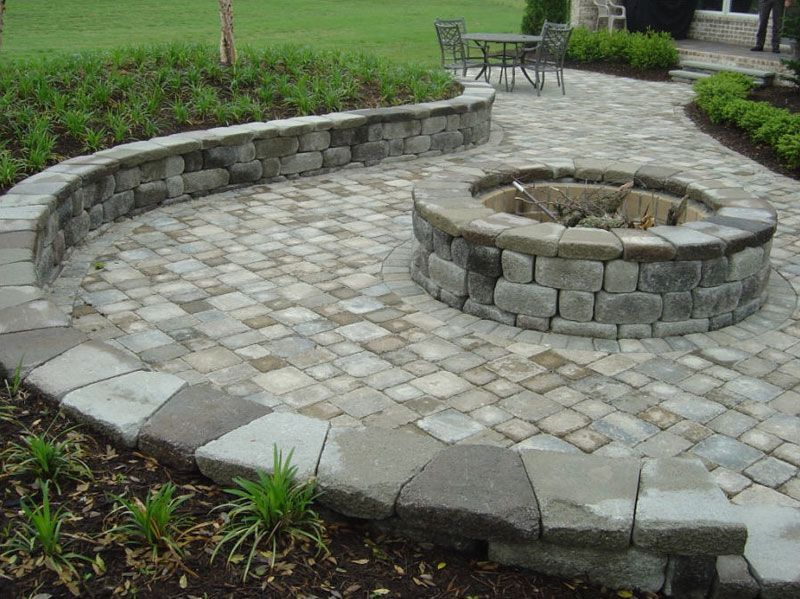
Sloped yards in Essex lose usable space to grade changes that make patios, walkways, and planting areas difficult to install or maintain. Retaining walls built by Chesapeake Hardscapes and Exteriors hold back soil at elevation changes, creating flat zones where outdoor kitchens, seating areas, and landscaping can establish without erosion washing material downhill during storms. You end up with defined levels that separate functional areas and prevent the gradual soil creep that undermines existing hardscape over time.
Retaining wall construction depends entirely on proper base preparation and drainage design, not just stacking block or stone. Excavation removes unstable topsoil down to compactable subgrade, then crushed stone installs in compacted lifts to create a stable foundation that resists settling. Drainage pipes embed behind the wall at the base level, collecting groundwater that would otherwise build hydrostatic pressure and push the wall outward. Geogrid fabric layers tie into the block courses on taller walls, anchoring the structure into the retained soil mass rather than relying solely on block weight and friction.
Request a free retaining wall estimate to assess your grade conditions, soil type, and wall height requirements.
What Proper Wall Construction Prevents Long-Term
Retaining walls fail when builders skip drainage installation or use inadequate base depth, which allows water accumulation and freeze-thaw heaving to shift the structure. Chesapeake Hardscapes and Exteriors installs perforated drain pipe along the entire wall length, wrapped in filter fabric to prevent soil intrusion, so groundwater exits through designated outlets rather than saturating the retained soil. This approach eliminates the hydrostatic pressure that causes bulging and eventual collapse in walls built without drainage consideration.
After the wall is complete, you notice that mulch and soil stay in planting beds instead of washing onto lower patios during rain. Water runoff follows controlled paths rather than cutting erosion channels through your yard. The wall itself creates opportunities for tiered landscaping, integrated steps between levels, and seating wall caps that add functional space along the top course.
Wall design connects with other hardscape elements rather than functioning in isolation. A retaining wall along a patio edge can double as a seating ledge with cap stone wide enough for cushions. Walls that define planting areas often include integrated landscape lighting to highlight textures after dark. Commercial applications use retaining walls to create parking lot islands, building entrance terraces, and stormwater management berms that meet municipal code requirements for site drainage.
What Property Owners Ask About Wall Installation
Retaining wall projects in Essex raise questions about engineering requirements, material longevity, and how walls interact with Maryland's seasonal freeze-thaw cycles.
How tall can a retaining wall go before engineering is required?
Most jurisdictions require engineered designs for walls exceeding four feet in height, though specifications vary by municipality. Engineered walls include geogrid reinforcement calculations and drainage plans sealed by a licensed professional, which adds design costs but ensures long-term stability.
What block material lasts longest in Essex weather?
Concrete block with aggregate exposed faces resists freeze-thaw damage better than smooth-faced units because surface texture allows minor expansion without visible cracking. Natural stone withstands temperature cycles indefinitely but requires skilled installation to maintain coursing and drainage gaps.
Why do some retaining walls lean or bulge after a few years?
Walls without drainage pipes trap water behind the block, creating pressure that pushes the structure forward as saturated soil expands during freezes. Inadequate base depth also allows settling that tilts the wall outward over time, especially on clay soils common in Maryland.
Can retaining walls include steps or transitions between levels?
Yes, steps integrate directly into wall construction using the same block or stone material. Tread depth and riser height follow the same calculations as standalone stairs, with landings required every six to eight feet of vertical rise on longer staircases.
How does soil type affect retaining wall design in Essex?
Clay soils retain water and expand during freezes, increasing pressure on walls compared to sandy or loamy soils that drain quickly. Clay conditions require more robust drainage systems and often thicker gravel backfill zones to manage moisture.
Chesapeake Hardscapes and Exteriors evaluates your property's grade, drainage patterns, and soil conditions before recommending wall height, material, and reinforcement specifications. Call (443) 567-8060 to schedule an on-site consultation and discuss how retaining walls integrate with your outdoor living plans.