
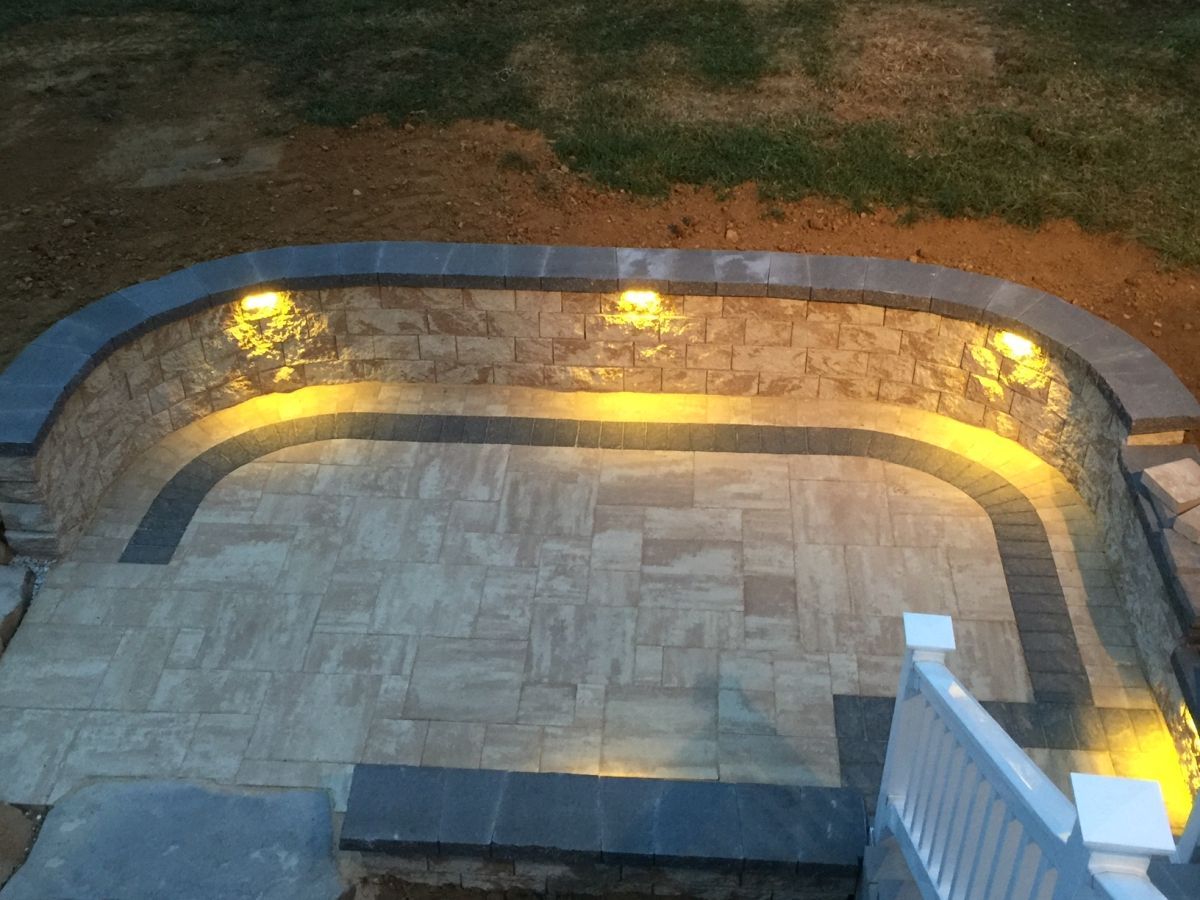
Lighting Systems That Extend Outdoor Functionality
Landscape Lighting in Essex for improving nighttime visibility, safety, and showcasing completed hardscape installations
Well-placed lighting transforms outdoor spaces from daytime-only areas into functional zones that remain usable after sunset, but most residential lighting installs as an afterthought rather than integrated design. Chesapeake Hardscapes and Exteriors plans landscape lighting in Essex during hardscape construction, routing wire before patios pour and positioning fixtures to highlight walkways, seating walls, and architectural features without visible conduit or surface-mounted boxes. You gain illumination that appears intentional rather than retrofitted, with light levels that provide visibility without harsh glare.
Landscape lighting systems use low-voltage transformers that step household current down to twelve or twenty-four volts, reducing shock risk and allowing direct burial cable without rigid conduit. Fixtures install at grade level for path lighting, mount on walls or posts for area coverage, and tuck into planting beds to uplight trees or wall textures. LED lamps have replaced halogen in most installations due to lower energy draw and longer service life, though color temperature selection affects whether the light reads warm or clinical in outdoor settings.
Arrange a consultation to add lighting to your current outdoor project or upgrade existing fixtures that no longer meet your needs.
What Quality Lighting Accomplishes Beyond Visibility
Lighting installation during hardscape construction allows wire routing beneath pavers and through wall cores, hiding cable runs that would otherwise cross surfaces or require exposed conduit. Transformers locate in garages, basements, or weatherproof enclosures near the electrical panel, with individual circuit runs serving fixture zones that operate on separate switches or timers. This zoning lets you illuminate entry walks independently from patio areas or decorative uplighting, adjusting light levels based on activity rather than running all fixtures simultaneously.
After lighting activates at dusk, you notice that steps and grade changes become obvious rather than trip hazards, outdoor kitchens and fire features remain functional for late gatherings, and textured stone walls or water features gain visual depth through shadow and highlight. Chesapeake Hardscapes and Exteriors positions fixtures to avoid direct glare into seating areas or neighboring properties, focusing light downward on paths and upward on vertical surfaces rather than spreading uncontrolled brightness across the yard.
Fixture selection balances durability with aesthetic fit—brass and copper bodies develop patina over time that blends with natural landscapes, while powder-coated aluminum maintains original finish but offers less heft. Lens design controls beam spread, with narrow spots for tree uplighting and wide floods for area coverage along walkways. Commercial installations often require higher lumen output and vandal-resistant housings, while residential projects prioritize subtle integration with surrounding plantings and hardscape.
Questions About Outdoor Lighting Systems
Homeowners in Essex typically ask about energy costs, maintenance, and how lighting integrates with existing outdoor features before committing to installation.
How much does landscape lighting increase monthly electric bills?
LED systems typically add ten to twenty dollars per month depending on total fixture count and nightly operating hours. Timers or photocell sensors automate operation so lights activate only during dark hours, reducing unnecessary daytime draw if manual switches get left on.
What maintenance do landscape lighting systems require?
LED lamps last twenty thousand hours or more, which translates to several years of nightly use before replacement. Fixture lenses need occasional cleaning to remove dirt and oxidation that dim output, and buried cable connections should be checked if individual fixtures stop working.
Can you add lighting to an existing patio without tearing up pavers?
Yes, though cable routing becomes more challenging. Surface-mounted wire runs along edges or through planting beds adjacent to hardscape, and fixtures position where cable can reach without crossing high-traffic areas. Wireless solar fixtures eliminate wiring but offer less light output and depend on daily sun exposure to charge batteries.
How does lighting affect outdoor kitchen and fire feature use in Essex?
Task lighting above grills and prep counters provides visibility for nighttime cooking, while lower-level ambient lighting around fire features maintains atmosphere without overwhelming the flames. Dimmable transformers or multi-tap systems adjust brightness based on activity.
What color temperature works best for outdoor lighting?
Warm white LEDs around 2700 to 3000 Kelvin mimic incandescent light and complement natural materials like wood and stone, while cooler temperatures above 4000 Kelvin create a harsher, more utilitarian appearance that suits commercial applications better than residential landscapes.
Chesapeake Hardscapes and Exteriors designs landscape lighting as part of comprehensive outdoor projects, ensuring fixtures integrate with patios, walls, kitchens, and planting areas rather than installing as isolated elements. Contact us at (443) 567-8060 to discuss lighting plans, fixture options, and how illumination enhances your outdoor living space.